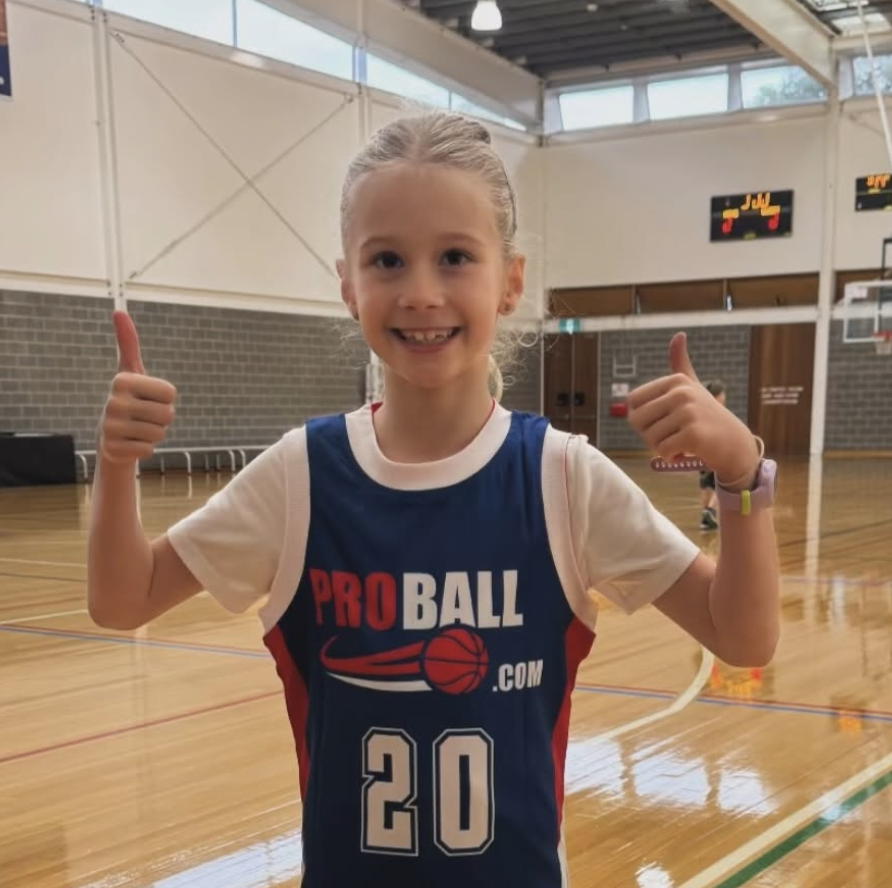
Every weekend across Sydney Basketball courts, the same scene plays out.
The final buzzer sounds.
Kids walk off the court.
Parents gather their bags.
Then comes the drive home.
For many young athletes, that drive home becomes the part of the day they remember most.
Not the game.
Not the score.
Not the win.
Not the loss.
The conversation.
At ProBall Basketball Sydney, we’ve spent years coaching young athletes and observing what helps children stay engaged in sport long-term.
What we’ve learned is surprisingly simple.
Kids don’t need another coach.
They already have one.
They need a parent.
A supporter.
A listener.
Someone who helps them enjoy the journey.
Because youth athlete development isn’t only about basketball.
It’s about confidence.
Relationships.
Identity.
Growth.
And the way sport feels.
The Trap Most Sports Parents Accidentally Fall Into
Most parents want to help.
That’s the truth.
Parents sacrifice weekends.
Parents spend money.
Parents drive across Sydney for games and training.
Parents care deeply.
The problem is that care can sometimes turn into pressure without us realizing it.
We’ve all done it.
A missed shot.
A turnover.
A decision we wish our child had made differently.
Before we know it, we’re giving instructions from the sideline.
Reviewing every mistake afterward.
Explaining what should have happened.
Trying to help.
But something subtle starts to happen.
The game slowly stops belonging to the child.
And when ownership disappears, enjoyment often follows.
The Sideline Tax
Many young athletes carry an invisible tax.
Not from coaches.
Not from teammates.
From the pressure surrounding the game.
It often looks like:
- Sideline instructions during games
- Constant corrections
- Post-game analysis
- Comparing them to other players
- Treating every game like life or death
None of these usually come from bad intentions.
They come from love.
But pressure changes how children experience sport.
Pressure changes confidence.
Pressure changes enjoyment.
Pressure changes risk-taking.
Pressure changes learning.
Eventually, some children begin playing not because they love the game.
But because they’re trying not to disappoint someone.
Why Ownership Matters
One of the biggest lessons from youth sports psychology is that athletes stay engaged longer when they feel ownership over their journey.
When children feel trusted, they:
- Reflect more deeply
- Think independently
- Build confidence faster
- Take responsibility for improvement
- Enjoy sport longer
The strongest young athletes aren’t usually the ones being told what to think after every game.
They’re the ones learning how to think for themselves.
That’s where confidence comes from.
Not constant instruction.
But ownership.
The Most Important Part of Youth Sport
The drive home.
It sounds simple.
But it may be one of the most influential moments in a young athlete’s week.
Consider two different conversations.
Car Ride #1
“What happened on that turnover?”
“Why didn’t you shoot?”
“You should have driven left.”
“You need to be more aggressive.”
The message may be unintentional, but many kids hear:
“Your performance is what matters most.”
Car Ride #2
“What was your favourite moment?”
“What did you learn today?”
“What do you want to work on next?”
The message becomes:
“This is your journey. I’m here to support you.”
One conversation creates pressure.
The other creates ownership.
One focuses on outcomes.
The other focuses on growth.
The ProBall Post-Game Conversation Card
Over the years we’ve found three simple questions can completely change the tone of post-game conversations.
1. What was your favourite moment today?
This helps children reconnect with enjoyment.
2. What did you learn today?
This shifts attention toward growth and development.
3. What do you want to work on next?
This creates ownership and future focus.
The key is simple:
Ask.
Then listen.
Resist the urge to correct.
Resist the urge to teach.
Resist the urge to solve.
Let them own the conversation.
Why Kids Stay in Sport Longer
Children stay involved in Youth Basketball Sydney programs and other sports when they feel:
- Supported
- Heard
- Trusted
- Connected
Not when they feel judged.
Not when they feel constantly evaluated.
Not when every game becomes a report card.
The athletes who last longest are usually the ones who:
- Love coming to training
- Enjoy competing
- Feel supported at home
- Own their journey
At ProBall Basketball Sydney, we’ve seen this repeatedly through years of Basketball Training Sydney programs and player development pathways.
The goal isn’t raising better basketball players.
It’s helping children develop a healthy relationship with challenge, growth, competition, and themselves.
Basketball is simply the vehicle.
Years From Now…
Years from now, your child probably won’t remember every score.
They won’t remember every stat.
They won’t remember every turnover.
But they will remember:
- How sport felt
- The people around them
- The conversations after games
- Whether they felt supported
That’s why sports parenting matters.
Not because it creates better athletes.
Because it helps create healthier relationships with sport.
And that’s the real win.
Download The Post-Game Conversation Card
Next time you’re driving home from a game, try these three questions:
- What was your favourite moment today?
- What did you learn today?
- What do you want to work on next?
Then listen.
You might be surprised by what happens.
Because Basketball Is Bigger Than Basketball
The best youth sports environments don’t just develop players. They help children build confidence, learn resilience, form friendships and discover what they’re capable of. See how ProBall helps young athletes grow both on and off the court with a free trial session.
Book a Free Trial