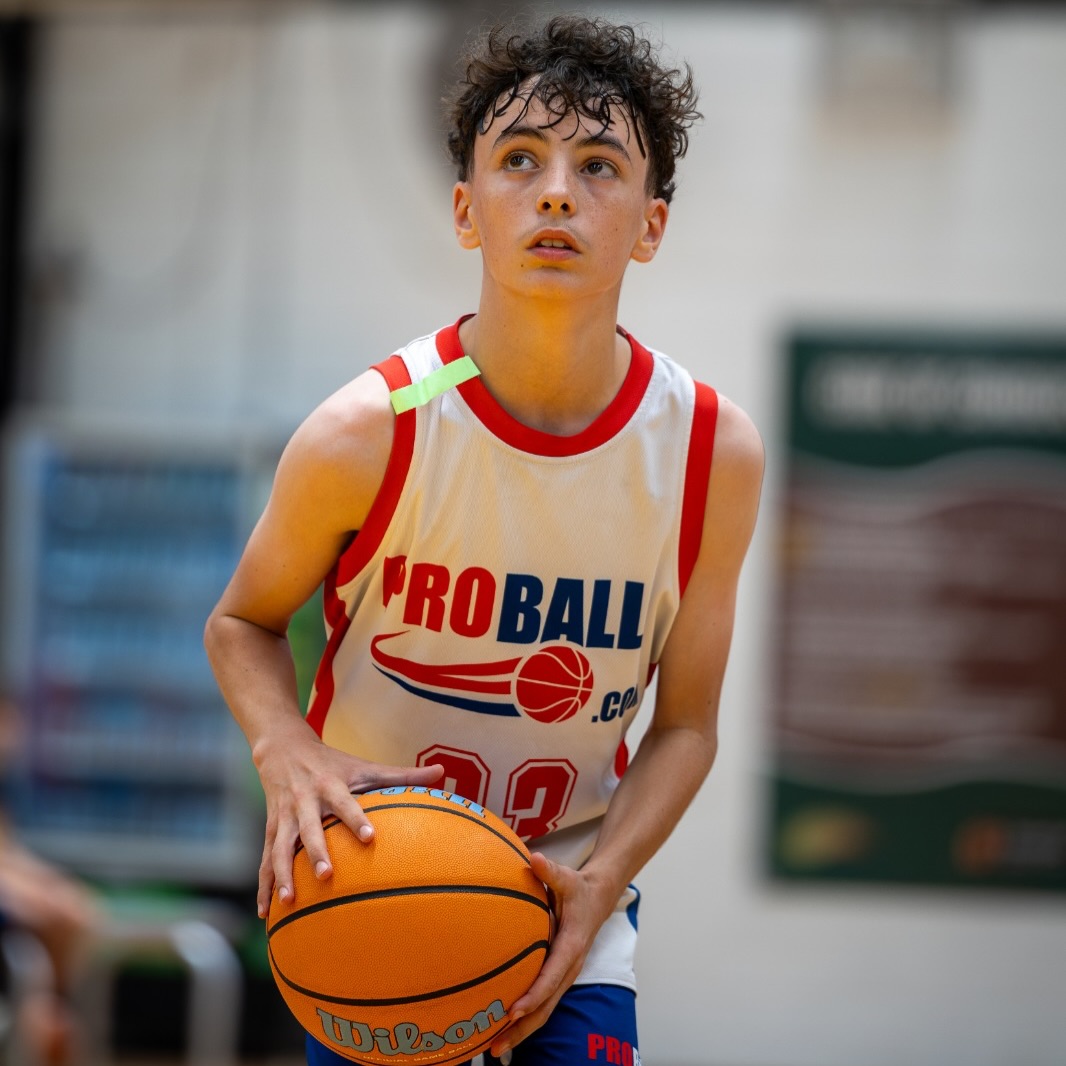
Youth Basketball Sydney parents often notice the change before they understand it.
A child who once played freely suddenly hesitates.
They stop attacking the basket.
They become quieter during games.
They start looking toward coaches after mistakes.
Parents sometimes assume their child is losing interest in basketball.
However, many kids still love the sport.
Confidence just quietly changed first.
That shift usually happens slowly.
Young athletes rarely sit down and say:
“I’m struggling.”
Instead, they show it behaviorally.
They overthink.
They avoid mistakes.
They play safe.
At ProBall Basketball Sydney, we see this pattern often across youth athletes. The important part is understanding that confidence problems rarely appear out of nowhere.
Pressure changes behavior long before adults notice performance changes.
Why Kids Rarely Verbally Explain Confidence Struggles
Children usually do not have the language to explain internal pressure clearly.
Instead, emotions appear through behavior.
A confident player suddenly passes up open shots.
A normally energetic athlete becomes quiet during games.
A child who once competed aggressively begins hesitating.
Those moments matter.
However, many adults only notice the visible performance changes later.
By then, the emotional shift has often already been happening for weeks.
That does not mean parents are failing.
Pressure usually comes from caring deeply.
Parents want children to succeed.
Coaches want athletes to improve.
Kids want approval.
However, young athletes often carry more emotional pressure than adults realise.
How Pressure Quietly Changes Basketball Behavior
Pressure changes decision making.
Young athletes begin thinking about mistakes before they happen.
As a result, reaction speed slows down.
Freedom disappears.
Basketball becomes more about avoiding failure than competing naturally.
You can often see it in body language.
Hesitation before shooting.
Looking immediately at coaches after turnovers.
Playing carefully instead of aggressively.
Over time, kids start protecting themselves emotionally.
That protection often looks like reduced confidence.
What Happens Before Games Matters More Than People Think
Small moments matter.
Car rides before games matter.
Sideline reactions matter.
Post-game conversations matter.
Children absorb emotional signals constantly.
Parents sometimes say things like:
“Don’t mess up.”
“You need to play better today.”
“Be aggressive.”
Those comments usually come from love.
However, children often interpret them as pressure.
In contrast, emotionally safer language changes the experience:
“Go compete freely.”
“Nerves mean you care.”
“Keep learning.”
“Have fun competing.”
That does not remove standards.
It simply removes fear around mistakes.
Emotionally Safe Environments Are Not Soft Environments
This is important.
Emotionally safe environments are not soft environments.
Kids still compete.
They still fail.
They still get coached hard.
However, mistakes do not feel dangerous.
That difference changes development.
Athletes who feel emotionally safe usually recover faster after mistakes. Therefore, they stay aggressive longer.
They experiment more.
They learn faster.
Confidence grows through repetitions and exposure, not through fear.
Sports psychology organisations like Positive Coaching Alliance and American Psychological Association Sports Psychology Resources consistently discuss the importance of supportive performance environments for young athletes.
Support and pressure are not the same thing.
Why Comparison Starts Younger Than Parents Think
Youth athletes compare themselves constantly.
Social media accelerated that.
Children notice who scores more.
Who gets selected.
Who gets praised.
Who starts games.
As a result, confidence sometimes becomes connected to external validation instead of development.
That creates fragile confidence.
At ProBall Basketball Sydney, we repeatedly notice that athletes improve fastest when they stop treating mistakes like danger.
Freedom creates development.
Fear creates hesitation.
Why Basketball Is Also Emotional Development
Basketball Training Sydney is not only physical development.
It is emotional development too.
Children learn how to handle nerves.
They learn how to recover from mistakes.
They learn how to compete while uncomfortable.
That process shapes identity.
Player Development Sydney is rarely just about shooting, passing or footwork.
It also becomes about confidence, emotional resilience and belonging.
The environments kids experience during youth sport stay with them much longer than most adults realise.
Confidence Usually Disappears Quietly First
Most kids do not suddenly stop loving sport.
Confidence often changes first.
Pressure slowly changes behavior.
Hesitation grows quietly.
Freedom disappears gradually.
However, the athletes who stay in love with sport longest usually are not the athletes under the most pressure.
They are usually the athletes who felt safe enough to keep growing through mistakes.
Save this.
Share this with a sports parent.
Reflect on it before the next game.
See What The Right Environment Feels Like
Confidence grows differently in the right environment. Kids still compete. Still make mistakes. Still get coached hard. However, they also feel safe enough to keep learning, keep attacking and keep growing through pressure. If your child loves basketball but confidence has slowly changed, come experience a training environment focused on long-term player development, emotional growth and real competition. Book a free ProBall trial and experience Youth Basketball Sydney differently.
Book a Free Trial