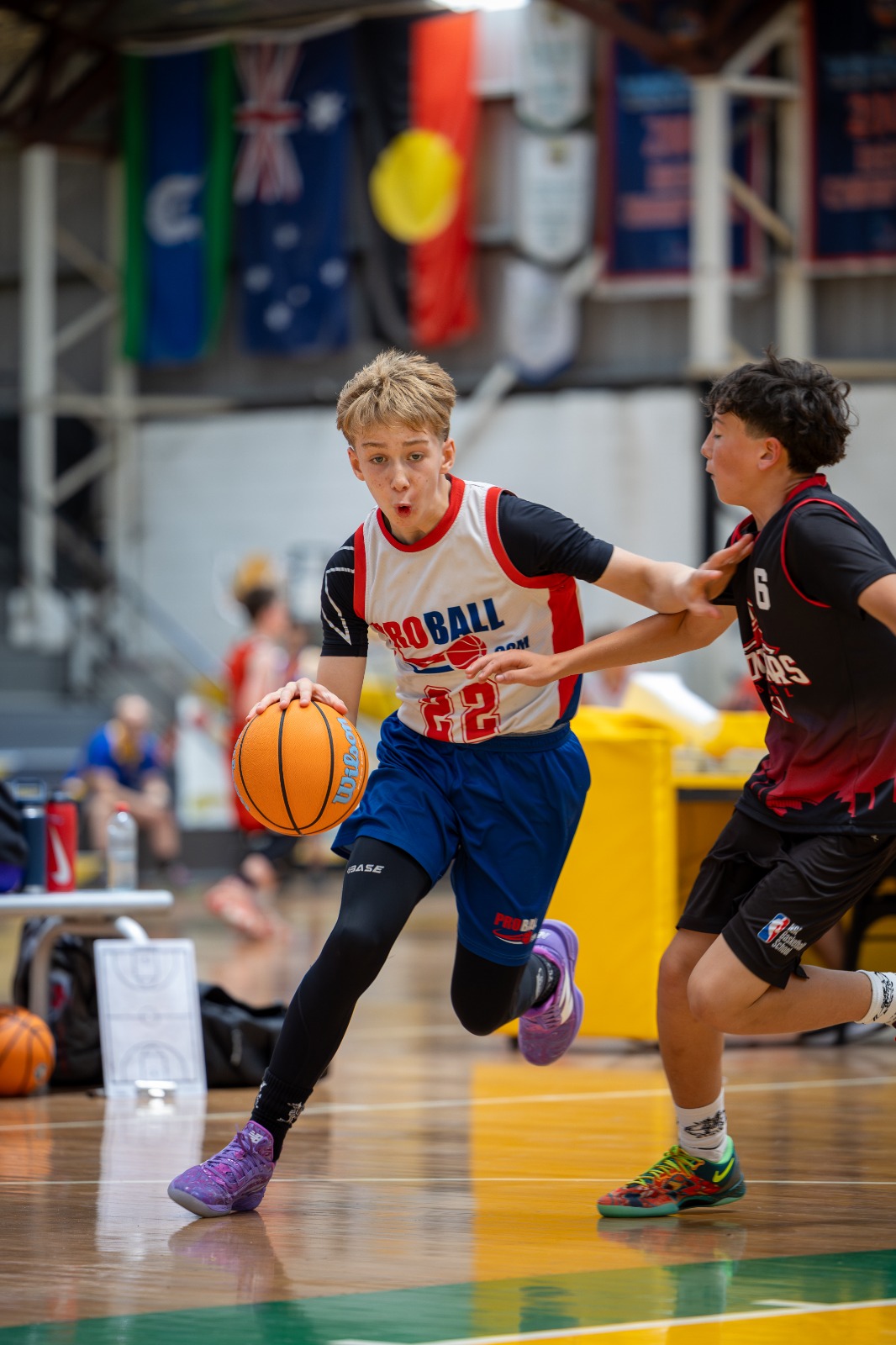
Basketball reaction time in Sydney is being impacted by screen time more than most parents realise. Youth basketball is not just about skills — it is about how athletes think, react, and perform under pressure. However, many young players are losing an edge before they even step on the court.
Screen time, especially short-form content, is changing how the brain works. As a result, reaction time slows down. Focus drops. Decision-making becomes inconsistent. This is not a talent issue. It is an environment issue.
The Real Problem With Screen Time
Most parents think screen time is harmless. However, constant scrolling trains the brain to expect fast, low-effort stimulation. Attention span shortens. In contrast, basketball requires sustained focus — players must read the game, react quickly, and stay engaged for extended periods. When that ability drops, performance follows.
Why Reaction Time Slows Down
Short-form content creates rapid switching between clips. As a result, the brain adapts to constant change and immediate reward. On the court, this becomes a problem. Players take longer to process what is happening. Decisions are delayed. High dopamine exposure creates mental fatigue, making it harder to stay sharp during games. This is why you see hesitation, missed reads, and slow reactions — even in technically skilled players.
A Simple Framework to Fix It
The solution is not complicated, but it does require discipline. Start with this:
- No screens 60 minutes before training or games
- Create a consistent pre-game routine that primes focus
- Prioritise calm, low-stimulation environments before competition
Over time, this resets the brain. Focus improves and reactions become faster. These are not dramatic changes — but small habits compound over a season.
The Role of Parents
Parents control the environment, and therefore they control much of the outcome. While training builds skill, daily habits shape performance. Research in sports psychology shows that focus and mental clarity directly impact decision-making and reaction time. Managing stimulation and recovery plays a key role — and it starts at home, not at the training centre.
How Habits Impact Long-Term Development
Development is not just about drills. It is about building an athlete who can think, react, and perform under pressure. Players who control their environment improve faster. Players who don't stay inconsistent — and over time, that gap becomes obvious.
The best athletes are not just training more. They are managing everything around their training. Sleep. Nutrition. Screen habits. Pre-competition routines. These things matter.
What ProBall Sees Every Day
At ProBall, we see this pattern every week across our Sydney locations. Players who limit distractions show better focus. As a result, they react faster and play with more confidence. Players with constant screen exposure before training struggle to stay engaged in the session, even when they are physically capable.
This is the difference between playing the game and reacting too late.
Final Thoughts
Understanding youth basketball development goes beyond skill. Reaction time, focus, and confidence are all influenced by daily habits. When screen time is reduced before games and training, players perform with more clarity and control. If you want to improve your child's performance, start with their environment — not just their drills.
Want to see what focused training looks like?
Book a free trial and see how ProBall builds focus alongside skill.
Book a Free Trial