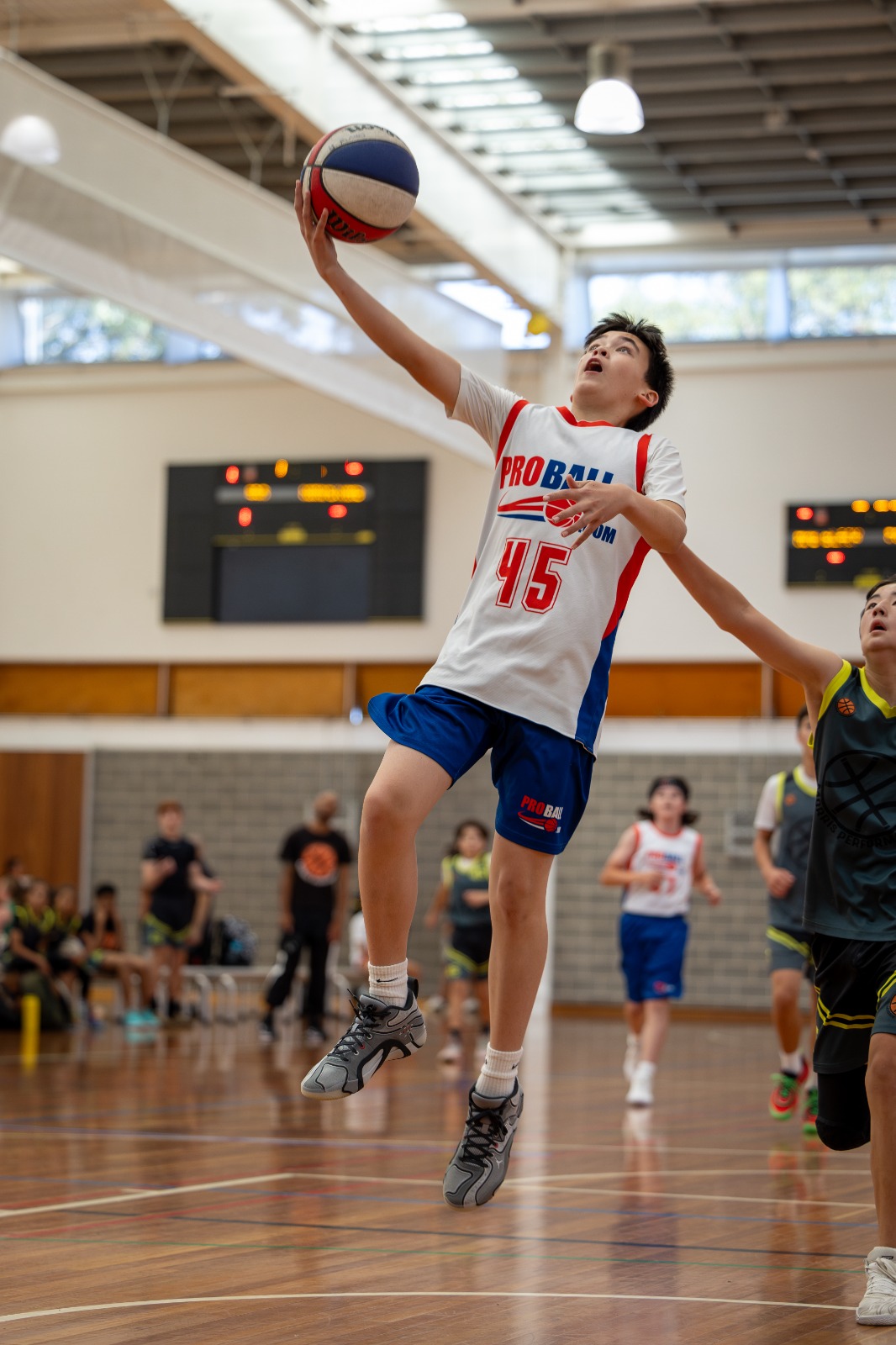
Most players train for rep trials the wrong way.
They spend the weeks before a trial cramming skills, working on their highlight-reel moves, and hoping that one impressive moment catches a coach's eye. They prepare for the performance they want to give, rather than for the environment they'll actually walk into.
The players who consistently get picked at representative trials don't rely on flashy skills or peak-day performances. They follow a systematic approach — one that is built on preparation, composure, and the qualities that coaches at every level prioritise when selecting players they want on their team.
Here is the ProBall system. Five principles, developed through working with hundreds of young athletes preparing for representative selection.
Principle 1: Preparation Over Panic
The most common mistake players make in the lead-up to rep trials is changing their training approach entirely. They try new drills. They work on skills they haven't built systematically. They attempt to manufacture confidence at the last minute.
This is backwards. The players who perform best under trial conditions are those who have already done the work — months of consistent, structured training that has made their fundamental skills automatic. "When the whistle blows, instincts take over, and your habits show."
Preparation is not what you do in the final two weeks before a trial. It is what you do in the six months before that. Repetition builds confidence during high-pressure moments, because when your body has executed a skill hundreds of times in training, it doesn't need your conscious mind to guide it during a trial. It just responds.
Players who panic and try to overhaul their game in the final days before trials are replacing ingrained habits with uncertainty. That uncertainty shows up on the floor exactly when they can least afford it.
Principle 2: Communication and Leadership
Trial coaches are not just watching to see who can score. They are watching to see who makes the team better — who organises, encourages, directs, and leads.
Effective players at trials communicate constantly. They call out defensive assignments. They direct teammates into position. They respond to mistakes — their own and their teammates' — with composure rather than frustration. They make the five people on the court with them feel like they're playing with someone who knows what they're doing and is looking out for them.
This is not about being the loudest presence in the gym. It's about purposeful communication — specific, clear, and team-oriented. A player who can consistently organise a defensive rotation or calmly redirect a teammate who is out of position demonstrates a level of basketball intelligence that coaches at representative level actively select for.
Principle 3: Game Reading
The difference between good players and great ones at trial level is often not physical. It is perceptual. Top candidates remain calm and read the game ahead of time rather than simply reacting to what's already happened.
Game reading means anticipating where the ball is going before it gets there. It means understanding spacing — recognising when you're in a good position to receive a pass and when you need to move to create a better option for a teammate. It means seeing defensive rotations before they fully develop and making decisions that exploit them.
This quality can't be faked during a trial. It is built over hundreds of hours of game exposure, team training, and deliberate thinking about the game. Players who have been in structured training environments that emphasise understanding — not just executing — develop this quality naturally over time.
Principle 4: Energy Control
Rep trials are designed to put players under pressure. The format, the competition level, the presence of coaches with clipboards — all of it is designed to test how players respond when things get difficult.
Mental resilience is the quality that prevents players from becoming discouraged when circumstances shift unfavourably. When a team goes on a run against you. When a shot you expected to make doesn't fall. When a defensive assignment you thought you had locked down suddenly exploits a gap.
Players with high energy control maintain their composure and continue to contribute positively to the team, regardless of what's happening on the scoreboard. Players without it tighten up, withdraw from the game, or become visibly frustrated — all of which tell a coaching panel exactly what they need to know about how this player will respond in high-stakes competition.
Energy control is not something you switch on for trial day. It is built through training environments that deliberately create pressure and coach players through their response to it.
Principle 5: System Integration First
The hardest lesson for individually talented players to accept is this: coaches at representative level are building a team, not a collection of individuals. They need players who can function within a system before they need players who can showcase individual talent.
Players who arrive at a trial and immediately try to prove what they can do individually — by taking difficult shots, forcing their own offense, or overriding team structure for personal moments — signal to coaches that they will be difficult to coach and hard to integrate.
The players who consistently impress at trials demonstrate system integration first. They run the plays they're given. They fill the roles they're assigned. They make the correct reads within the structure being asked of them. And once they have demonstrated that they can be trusted within a system, their individual talent becomes an asset rather than a liability.
Becoming Undeniable
These five elements — preparation, communication, game reading, energy control, and system integration — form the foundation for becoming undeniable to coaches and selectors at representative trials.
Not every player who follows this system will be selected every time. Trial processes involve judgment calls, positional needs, and factors outside any individual player's control. But players who consistently demonstrate these qualities across multiple trials build a reputation that coaches remember and seek out.
The ProBall Academy is designed to develop exactly these qualities — through daily structured training, a coaching philosophy that values intelligence and composure alongside skill, and a competitive training environment that prepares players for the pressure of representative selection.
Train the right way. Get selected.
Join the ProBall Academy and develop the preparation, communication, game reading, energy control, and system integration that make players undeniable at rep trials.
Book a Free Trial