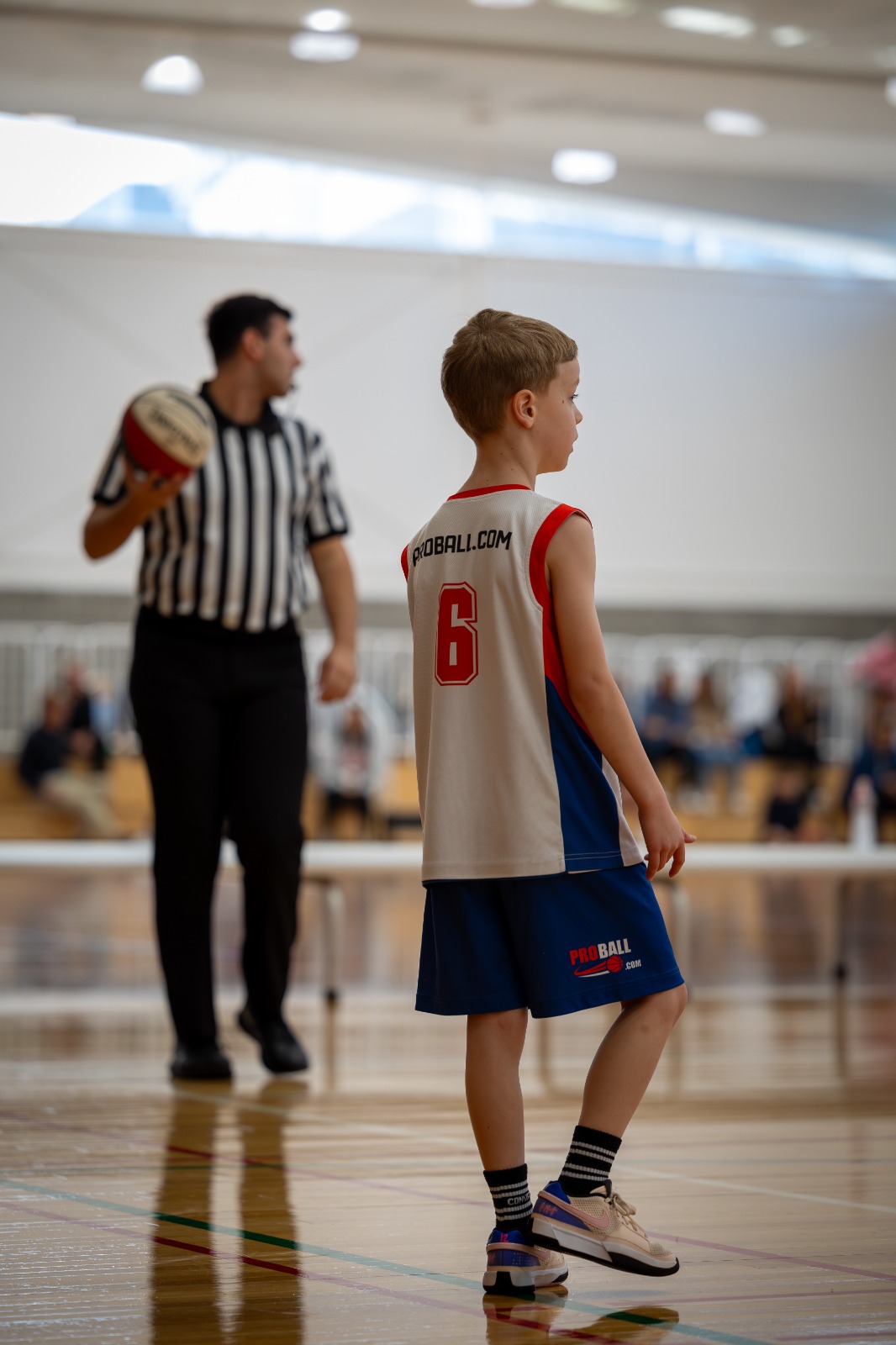
One of the most common — and most misunderstood — patterns in youth basketball is the way young athletes tie their confidence, their sense of self, and their emotional wellbeing directly to how they perform on the court. When results are good, everything feels good. When results decline, so does the player's sense of identity.
This connection between performance outcomes and self-worth creates a real vulnerability. And understanding it is one of the most important things a coach, parent, or young athlete can do.
What Is Athlete Identity?
Athlete identity is the degree to which a person identifies with the role of being an athlete. For young basketball players, this often becomes their primary identity — the label they wear, the way they introduce themselves, the thing they're known for at school and in their community.
When that identity is strong and healthy, it can be a powerful driver of growth. Young athletes with a positive athlete identity tend to train harder, push through discomfort more readily, and bounce back from setbacks faster.
But when athlete identity becomes exclusively tied to performance outcomes — when "I am a basketball player" becomes "I am only as good as my last game" — the foundation becomes fragile.
How Athlete Identity Develops
Athlete identity in youth sports doesn't develop overnight. It builds gradually through a series of experiences:
- Handling pressure — Learning to perform when the stakes feel high, and discovering that the world doesn't end when things go wrong
- Showing dedication — Turning up consistently, even when motivation is low, and building a track record of commitment
- Pushing through discomfort — Choosing to keep going when training is hard, when muscles ache, when the drill isn't clicking
- Recovering from setbacks — Experiencing failure and finding a way back, developing the resilience that comes only from adversity
These experiences, accumulated over time, form the bedrock of a young athlete's identity. They don't just shape how a player sees themselves on the court — they shape how they see themselves as a person.
The Confidence Trap
Here's what we observe consistently at ProBall: when training consistency decreases, confidence drops. Players who miss sessions, reduce their training load, or step back from structured development almost always report feeling less confident — not just about basketball, but about themselves.
This is not a coincidence. Confidence is not a personality trait you either have or don't have. It is something that is built and maintained through action.
The key insight is this: "You didn't lose confidence. You stopped reinforcing it."
When a player stops training consistently, they stop accumulating the small wins, the repetitions, and the proof points that confidence is built on. Over time, the reservoir empties. And because confidence is so closely tied to athlete identity in young players, the loss of confidence can feel like a loss of self.
How Confidence Is Actually Built
True confidence in young athletes comes from three interconnected sources:
Repetition
The more times a player executes a skill, makes a decision, and handles a game scenario, the more evidence they accumulate that they are capable. Repetition converts uncertainty into expectation. The player who has shot a thousand mid-range jumpers in training is not the same player who has shot a hundred. Their body knows what to do. Their mind trusts what will happen. That trust is confidence.
Structure
Structured training environments communicate to young athletes that their development is being taken seriously — that there is a plan, a progression, and a system built around their growth. Structure reduces anxiety by replacing uncertainty with routine. When athletes know what to expect from their training environment, they can invest their mental energy into improving rather than wondering what comes next.
Consistent Training Environments
Consistency is perhaps the most underrated element of athlete development. It is not enough to train intensely once in a while. The athletes who develop most rapidly — and who build the most durable confidence — are those who show up regularly, week after week, and accumulate a long track record of engagement with the game.
Why Some Players Improve Faster Than Others
The gap between players who improve quickly and those who stagnate almost always comes down to consistency. Not talent. Not athleticism. Not even coaching quality, though that matters too.
Players who train more frequently get more touches. More touches mean more decisions. More decisions mean more learning. Over the course of a season, a player attending three or four structured sessions per week will accumulate dramatically more developmental experience than one attending a single session.
This is why the concept of athlete identity matters so much here. Players who have a strong, healthy athlete identity — who see themselves as athletes first, and understand that training is simply what athletes do — tend to maintain the consistency that drives development. Players whose identity is fragile or performance-dependent are more likely to withdraw from training when things get hard, precisely when consistency matters most.
Rebuilding: Getting Back on Track
When confidence has dropped and athlete identity feels shaky, the path back is straightforward — even if it doesn't feel that way in the moment.
The answer is always to return to foundational habits. Show up. Train. Repeat. The specifics of what happened, why confidence dropped, or how far behind a player feels are far less important than re-establishing the behaviours that build identity and confidence over time.
There is no shortcut. But there is a simple starting point: the next session. The next repetition. The next decision made under pressure in a training environment that is designed to support development.
How ProBall Approaches This
ProBall runs daily training sessions across multiple Sydney locations, which means our athletes accumulate more touches, more decision-making practice, and more game-realistic exposure than players attending typical weekly programs.
This isn't just about skill development. It's about identity development. The more consistently a young player trains in a structured, supportive environment, the more firmly they internalise the identity of a dedicated, capable athlete — and the more durable their confidence becomes.
We also point players and their families toward external resources to deepen this understanding. The American Psychological Association's sports psychology page and the Positive Psychology sports psychology article both offer excellent insight into the relationship between identity, confidence, and athletic performance.
The bottom line: athlete identity is not given. It is built. And it is built through the same thing that builds every other meaningful skill — consistent, deliberate, structured practice over time.
Train more consistently. Get more results.
ProBall trains daily across multiple Sydney locations — giving your child more touches, more decisions, and more of the consistent exposure that builds real confidence and athlete identity.
Book a Free Trial